Home Blog Page 36

NEET UG 2026 Rescheduled for June 21: A Renewed Fight for Medical Aspirants

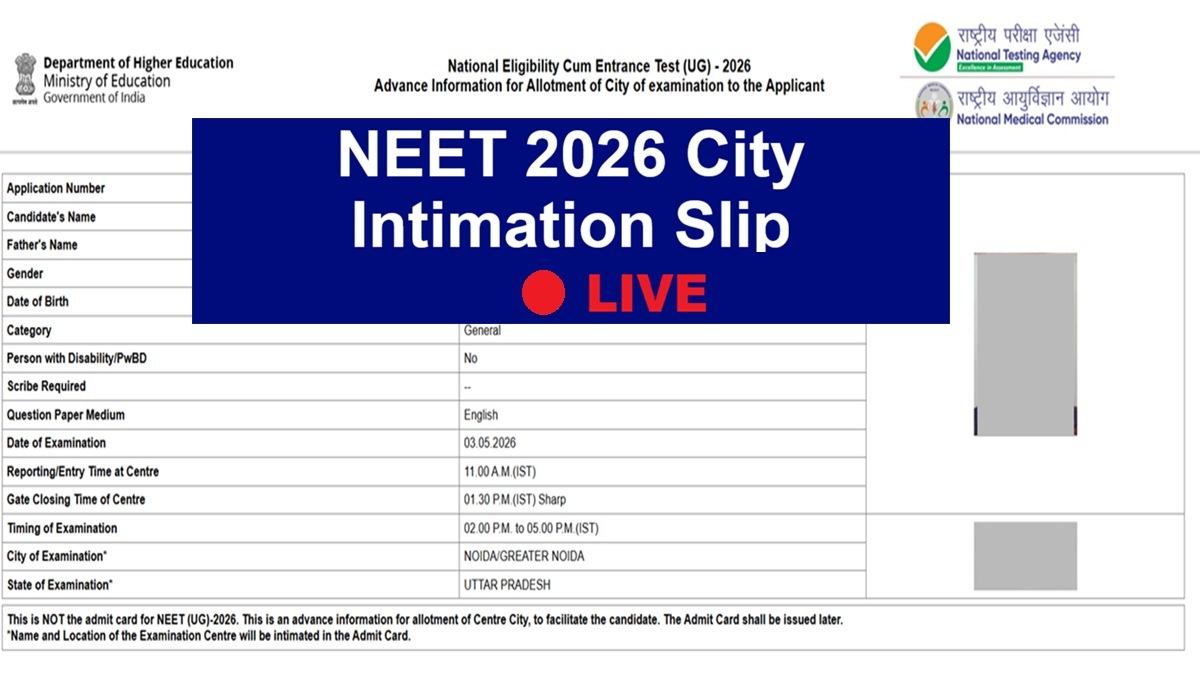
New Delhi, May 15, 2026 — In a move that has sent ripples of both relief and fresh anxiety through the student community, the National Testing Agency (NTA) has officially announced that the National Eligibility cum Entrance Test (Undergraduate) (NEET-UG) 2026 will be held on Sunday, June 21, 2026.

This high-stakes re-examination comes after the original May 3 test was scrapped due to evidence of a sophisticated paper leak. For nearly 23 lakh medical aspirants, the announcement ends a week of agonizing uncertainty, even as it restarts a grueling countdown to one of India’s toughest competitive exams.

The Breaking News: NTA Confirms June 21 Re-Exam

On the morning of May 15, 2026, the NTA released a formal notification via its official X (formerly Twitter) handle and website. The decision, approved by the Government of India, aims to restore the integrity of the medical entrance process.

Official Statement: “The National Testing Agency, with the approval of the Government of India, has scheduled the re-examination of NEET (UG) 2026 on Sunday, 21 June 2026. Candidates and parents are requested to rely only on the official channels of NTA for updates.”

Key Logistics for Candidates:

  • No Fresh Registration: Students do not need to re-apply. Existing registrations and examination city preferences will remain valid.
  • Fresh Admit Cards: New admit cards and city intimation slips will be issued closer to the exam date.
  • No Extra Fee: The NTA has clarified that no additional examination fee will be charged for the re-test.

Anatomy of a Scandal: Why the May 3 Exam Was Cancelled

The decision to cancel the May 3 examination was not taken lightly. It followed a multi-state investigation that uncovered a massive breach of security.

1. The “Guess Paper” Trap

The controversy began with a PDF circulating on encrypted messaging apps labeled as a “Guess Paper.” Initially dismissed as exam-season chatter, the Rajasthan Police’s Special Operations Group (SOG) soon discovered a startling reality: out of the 180 questions in the actual NEET paper, nearly 140 questions (including a staggering 120 in Chemistry and all 90 in Biology) were reportedly identical to those in the leaked document.

2. The Leak Trail

Investigators believe the leak originated from a printing agency in Jaipur. From there, the digital copy allegedly moved through a network of “fixers” and coaching center owners.

  • The Nashik Link: A suspect, Shubham Khairnar, was detained in Nashik. He is accused of buying the paper for ₹10 lakh and selling it forward.
  • The Sikar Hub: In Rajasthan’s coaching hub, Sikar, the paper was reportedly sold to students for sums ranging from ₹25,000 to ₹40 lakh, depending on how early they received the material.
  • The Whistleblower: Ironically, the scale of the leak was exposed when an MBBS student in Kerala sent the “guess paper” to his father in Sikar, who realized the gravity of the situation and alerted authorities.

3. CBI Intervention

Given the interstate nature of the crime—stretching across Rajasthan, Maharashtra, Haryana, Bihar, and Kerala—the Union Education Ministry handed the case to the Central Bureau of Investigation (CBI). Multiple arrests have already been made under the new Public Examination (Prevention of Unfair Means) Act, 2024.

Impact on Students: A Rollercoaster of Emotions

The cancellation affects approximately 22.8 lakh candidates, making it the largest undergraduate exam ever to be fully scrapped in India. While many students are relieved that the “merit-killers” (those who used leaked papers) will be weeded out, the mental toll is significant.

  • The “Burnout” Factor: Most aspirants had prepared for a May 3 finish line. Extending the study period by another five weeks requires immense mental stamina.
  • Academic Calendar Delays: The delay in NEET-UG will inevitably push back the counseling process and the start of the 2026-27 academic session for MBBS, BDS, and AYUSH courses.
  • Logistical Hurdles: Many students travel hundreds of kilometers to reach their designated exam cities. Rescheduling means booking new travel and accommodation, often during the peak summer heat of June.

Preparing for June 21: Strategies for the Final Stretch

With roughly five weeks remaining, experts suggest that students should shift their strategy from “learning” to “sustaining.”

FeatureAction Plan
Mock TestsTake one full-length mock test every three days to maintain exam-room discipline.
NCERT FocusStick strictly to NCERT textbooks, as the NTA has a history of keeping the re-exam difficulty level similar to the original.
Health ManagementJune in India is notoriously hot. Students are advised to practice writing tests in non-AC environments to prepare for potential center conditions.
Mental HealthAvoid social media rumors and “leaked paper” traps. Focus on the official NTA website for genuine updates.

A Systemic Challenge: The Road Ahead

The 2026 NEET leak has reignited the debate over the centralized testing system. While the NTA Director General, Abhishek Singh, emphasized a “zero tolerance” policy for errors, the recurring issues with paper leaks (reminiscent of the 2024 controversy) have led to calls for more robust digital encryption or a return to decentralized, state-led exams.

For now, the government’s priority is a “clean” June 21 exam. Extra security measures, including AI-driven monitoring and stricter frisking protocols, are expected to be in place.

Conclusion

The rescheduling of NEET UG 2026 to June 21 is a bittersweet development. It represents a victory for fairness but a test of endurance for the lakhs of honest students who spent years preparing. As the nation watches, the NTA faces its biggest challenge yet: proving it can conduct a massive, secure examination without a single hitch.

Important Note for Students: Stay updated via the official website exams.nta.ac.in/NEET. Do not fall prey to fraudulent websites or individuals promising “confirmed” leaked questions for the re-exam.

Cannes 2024: Jharkhand Makes History as ‘Ped Chalta Hai’ Debuts on the Global Stage

New Delhi, May 14, 2026: The prestigious red carpet of the Cannes Film Festival is a place where dreams are realized, and for the Indian film industry, it has often been a platform for mainstream Bollywood or South Indian cinema. However, the 77th edition of the festival witnessed a historic shift as the spotlight turned toward a region seldom represented on such a global scale: Jharkhand.

Director Debaditya Bandopadhyay, the visionary behind the film Ped Chalta Hai (The Walking Tree), recently shared his overwhelming emotions following the film’s premiere at the Marché du Film (Cannes Film Market). In an exclusive conversation, Bandopadhyay described the screening not just as a personal milestone, but as a “moment of pride for the entire state of Jharkhand.”

A Story Rooted in the Soil of Jharkhand

Ped Chalta Hai is more than just a cinematic project; it is a cultural ambassador. Set against the lush, rugged landscapes of Jharkhand, the film explores the intricate relationship between humanity and nature. The title itself—metaphorical and evocative—suggests a journey, a movement of life that transcends the physical rootedness of trees.

For Bandopadhyay, bringing this story to Cannes was a mission to prove that regional storytelling has a universal heart. “When we started filming in the remote corners of Jharkhand, we knew we had something special. But to see the international audience at Cannes connect with our local narrative was deeply moving,” the director shared. “This film belongs to the soil of Jharkhand, to its people, and to the silent beauty of its forests.”

The “Moment of Pride” for the State

Jharkhand, a state often highlighted in national media for its mineral wealth or socio-political challenges, has a burgeoning artistic community that has long sought a global platform. Bandopadhyay’s achievement is being hailed as a “watershed moment” for the region’s film industry.

“For years, Jharkhand was seen merely as a shooting location for outside filmmakers,” Bandopadhyay explained. “With Ped Chalta Hai, we have shown that we can produce world-class content from within. We have our own stories, our own aesthetics, and our own cinematic voice. This premiere at Cannes tells every aspiring filmmaker in Ranchi, Jamshedpur, and Dhanbad that their dreams are valid.”

The director emphasized that the support from the local community and the state’s cultural departments played a crucial role in making this dream a reality. He believes that this success will pave the way for a “Jharkhandi New Wave” in cinema, encouraging more local creators to look beyond regional boundaries.

The Cannes Experience: Red Carpets and Global Conversations

The Marché du Film at Cannes is the largest film market in the world, a bustling hub where producers, distributors, and critics gather to discover the “next big thing.” For Ped Chalta Hai, the premiere served as a gateway to international distribution.

Bandopadhyay recounted the experience of walking the Croisette and seeing his film’s name alongside global giants. “There is a certain magic in the air at Cannes. But the most rewarding part was the Q&A session after the screening. People from Europe, Latin America, and Asia were asking about the philosophy of the film and the unique geography of Jharkhand. They weren’t just watching a movie; they were discovering a part of India they had never seen before.”

The film’s cinematography, which captures the raw, ethereal beauty of Jharkhand’s woodland, received particular praise. Critics noted that the film uses nature as a central character, reflecting a “deeply spiritual and ecological consciousness.”

Breaking Stereotypes through Cinema

One of the primary goals of Ped Chalta Hai was to challenge the stereotypical portrayal of Jharkhand in Indian cinema. Frequently associated with “coal-belt” crime dramas or stories of rural struggle, the state’s softer, more poetic side is rarely explored.

“I wanted to move away from the ‘dark’ imagery often associated with our state,” Bandopadhyay said. “I wanted to show the grace, the folklore, and the profound wisdom that exists in our rural communities. Ped Chalta Hai is a lyrical film. It moves at the pace of nature. It challenges the viewer to slow down and listen.”

By choosing a narrative that blends realism with a touch of the avant-garde, Bandopadhyay has positioned himself as a filmmaker who is not afraid to experiment. This boldness is exactly what caught the eye of the Cannes selection committees.

The Road Ahead: From Cannes to the World

While the Cannes premiere is a massive achievement, it is only the beginning of the journey for Ped Chalta Hai. The film is expected to travel to several other international film festivals before making its way back to India for a theatrical and OTT release.

Bandopadhyay is already in talks with international distributors who are interested in bringing the film to audiences in Europe and North America. However, he remains grounded and focused on his roots. “The ultimate validation will come when the people of Jharkhand watch the film. I want them to see their lives and their land portrayed with dignity and beauty.”

The success of the film has also sparked discussions about the need for better film infrastructure in Jharkhand. Bandopadhyay hopes that his journey will inspire the state government to further invest in film cities, subsidies, and educational institutes to nurture local talent.

A Beacon for Independent Filmmakers

The story of Ped Chalta Hai is a testament to the power of independent filmmaking. Working with a modest budget and a dedicated crew, Bandopadhyay proved that high production value is not just about money—it’s about vision.

“We didn’t have the backing of a major studio,” he revealed. “What we had was a deep conviction in the story. Every leaf we filmed, every shadow we captured, was done with immense love. To independent filmmakers everywhere, I say: do not wait for the ‘perfect’ conditions. Start with what you have, tell the story only you can tell, and the world will eventually listen.”

Conclusion: A New Chapter for Indian Regional Cinema

As the curtains fall on the 77th Cannes Film Festival, the echoes of Ped Chalta Hai continue to resonate. Debaditya Bandopadhyay has not only brought home a “moment of pride” for Jharkhand but has also contributed to the growing prestige of Indian regional cinema on the global stage.

In an era where global audiences are craving authentic, localized stories, Ped Chalta Hai stands as a shining example of how a small story from a small state can have a massive impact. Jharkhand has officially arrived on the world cinema map, and if Bandopadhyay’s vision is any indication, this is just the first of many stories to come.

The “Walking Tree” has indeed started its journey, and it is carrying the soul of Jharkhand across borders, oceans, and cultures.

Campus Chaos Meets Undead Satire: Is ‘Indian Institute of Zombies’ a Missed Opportunity?

0

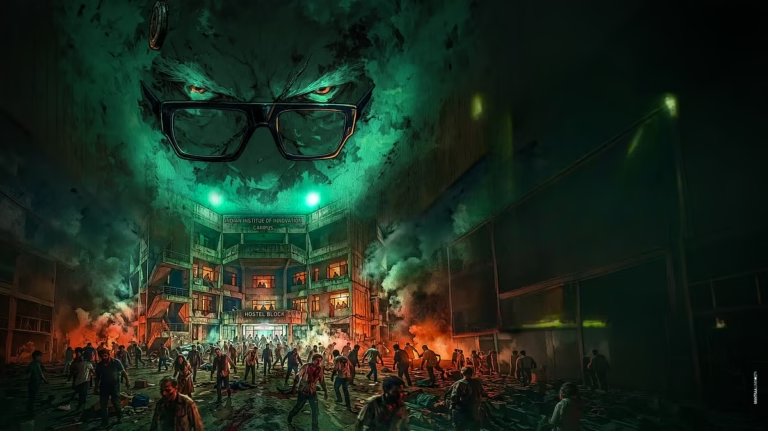
New Delhi, May 14, 2026 — In the high-pressure world of Indian academia, students often joke about feeling like “zombies” after pull-all-nighters and back-to-back lectures. However, the new horror-comedy Indian Institute of Zombies (IIZ), which hit theaters today, May 14, 2026, takes that metaphor literally.

Billed as India’s answer to the “zom-com” genre, IIZ arrives with a pedigree of talent—penned by the Dalal brothers (Hussain and Abbas) of Yeh Jawaani Hai Deewani fame and backed by digital powerhouse Kuku. Yet, as the credits roll, the film leaves audiences with a lingering question: Did this potentially sharp satire lose its bite in the transition from concept to screen?

The Premise: Toppers vs. The Undead

Set within the fictional, high-stakes Indian Institute of Innovation (III) in Mumbai, the film centers on a sudden outbreak that transforms the campus’s elite students into flesh-eating monsters. The twist? The virus seems to target the “toppers” first—those whose brains are wired for rote learning and rigid discipline.

As the campus hierarchy collapses, the responsibility of saving the day falls on the “backbenchers,” led by the charismatic Jessey Lever (playing the resourceful Rambo) and his sidekick Haggu. Using a mix of jugaad (innovative hacks), street smarts, and an utter lack of academic stress, this unlikely group of survivors must navigate vivas turned into battles and hostels turned into hunting grounds.

The Highlights: Satire and Standouts

Where the film truly shines is in its biting commentary on India’s “grind culture.” Directors Gaganjeet Singh and Alok Dwivedi cleverly use the zombie apocalypse to expose the fragility of academic status.

  • The Survival of the Slackers: There is a delicious irony in watching the most “intelligent” students fail to adapt to real-world chaos while the slackers thrive.
  • Standout Performances: Jessey Lever steals the show with impeccable comic timing, proving he is a worthy successor to his father’s legacy. Anupriya Goenka provides a much-needed emotional anchor as Professor Braganza, while veteran Mohan Kapur brings a sense of gravitas (and some of the best dry humor) to the role of a self-proclaimed genius faculty member.
  • The “Amrit Serum”: The film’s inclusion of a mysterious serum acts as a sharp metaphor for the “shortcuts” students often take in search of success.

The “Lost in Translation” Critique

Despite its energetic start and a first half that keeps the audience hooked, IIZ stumbles in its execution. Critics and early viewers have noted that the film feels “lost in translation”—not in terms of language, but in its inability to bridge the gap between a niche genre and a mass-market Bollywood entertainer.

What WorkedWhere it Faltered
High-Concept Satire: Sharp critique of the IIT/IIM-style pressure cooker.Second-Half Slump: The pacing drags significantly as the movie tries to balance gore and gags.
Technical Ambition: Impressive use of AI in budgeting and planning (a first for Indian cinema).Weak Writing: Despite the Dalal brothers’ involvement, the dialogue sometimes feels dated or overly reliant on slapstick.
Fresh Casting: A great blend of established stars and rising talent like Rose Sardana.Genre Confusion: It oscillates between “genuine horror” and “parody” so often that the stakes feel low.

A Technical Milestone for Kuku

Beyond the plot, IIZ is making headlines for its production process. Kuku, traditionally known for audiobooks and micro-dramas, utilized Artificial Intelligence at various stages of development—from visualizing scenes to optimizing the $80 million-equivalent budget.

Producer Kunj Sanghvi noted that AI was used as an “amplifier” for creativity, allowing the team to iterate faster on the complex zombie sequences. While the technical execution is undeniably polished, some argue that the “human soul” of the comedy may have been smoothed over in the process.

The Verdict: A Cult Classic in the Making?

Indian Institute of Zombies is a film that doesn’t take itself too seriously, and that is its saving grace. While it may not be the definitive masterpiece of Indian horror-comedy, it is a fun, youthful experiment that resonates with anyone who has ever felt the soul-crushing weight of a semester exam.

It may be “lost in translation” for those looking for a traditional narrative, but for the midnight-movie crowd and students looking for a laugh at the expense of their professors, it’s a ride worth taking.

‘Glow Khatam’: The Viral Fight Against Desi Marriage Pressure

0

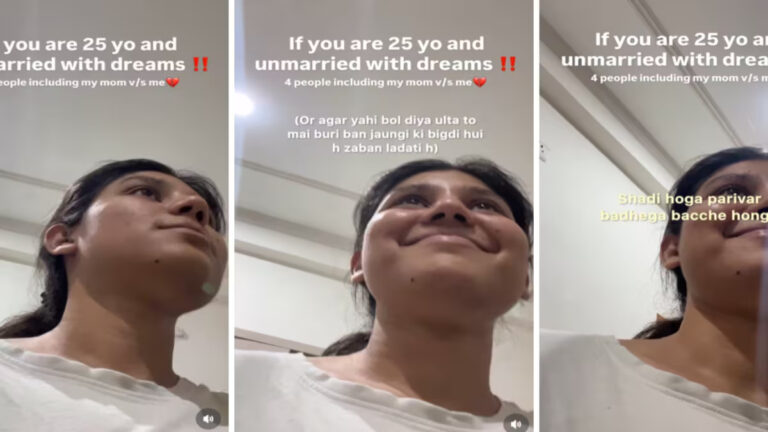
New Delhi, May 14, 2026: In a digital age where young professionals are shattering glass ceilings and charting global careers, some societal expectations remain stubbornly frozen in time. A 2026 viral video featuring a 25-year-old Indian woman has reignited a fierce national debate over the relentless “marriage pressure” faced by young adults in South Asian households.

The video, which has amassed millions of views across Instagram and X (formerly Twitter), captures a candid, albeit uncomfortable, conversation between a young woman and her relatives. What started as a personal recording has become a cultural touchstone, highlighting the disconnect between the aspirations of Gen Z and the traditional anxieties of their elders.

The Video That Shook the Internet

The clip features the young woman surreptitiously filming a family gathering. In the background, voices of older female relatives—including her mother—can be heard escalating a discussion about her marital status. The tone shifts from casual persuasion to what many netizens have labeled as “emotional blackmail” and “ageist shaming.”

The centerpiece of the controversy is a specific remark made by an aunt in the video: “Glow khatam ho jata hai” (The glow fades away).

The relative argued that at 25, the woman was reaching her “peak,” and that waiting any longer would lead to a loss of physical beauty, making it difficult to find a “suitable” match. The commentary didn’t stop at aesthetics; it veered into unsolicited medical advice, with relatives suggesting that “old age” (referring to the late 20s) would bring complications for future pregnancies.

A Mirror to Societal Obsessions

The video has resonated deeply because it documents a nearly universal experience for young Indian women. While 25 is objectively young—an age where many are just finishing postgraduate degrees or entering the mid-levels of their careers—in the “marriage market,” it is often treated as a ticking clock.

Key themes highlighted in the viral footage include:

  • The “Expiry Date” Myth: The idea that a woman’s value is tied to a fleeting window of youth.
  • Health Misinformation: Using biological fears (like fertility) as a tool for coercion.
  • Lack of Autonomy: The assumption that marriage is a communal decision rather than an individual choice.

Internet Reacts: Solidarity vs. Tradition

The comments section under the viral post became a battleground of perspectives, though the overwhelming majority of young users stood in solidarity with the woman.

1. The “Relatability” Factor

Thousands of women shared similar anecdotes. One user commented, “I’m 26 and my parents have started talking about me like I’m a decaying fruit. This video is my life every Sunday lunch.” Another wrote, “It’s never about your happiness; it’s about ‘log kya kahenge’ (what will people say) and the fear that you’ll become ‘unmarketable’.”

2. Men Join the Conversation

Interestingly, the video sparked dialogue among young men as well. Many pointed out that while the pressure on women is often focused on beauty and biology, men face a different brand of “settling down” pressure linked to financial milestones. “If we aren’t earning six figures by 26, we are told we’ll never get a ‘good girl.’ The pressure is suffocating for everyone,” a viral tweet read.

3. The Traditionalist View

A small segment of the internet defended the parents, arguing that their concerns stem from love and a desire for security. These users argued that in Indian culture, parents feel it is their duty to see their children “settled” before they retire, fearing that the child might end up lonely in an increasingly fast-paced world.

The Evolving Definition of “Settled”

This viral moment comes at a time when the Indian socio-economic landscape is shifting. With the rise of the “solo economy” and a surge in women’s workforce participation, the traditional timeline for marriage is being pushed back.

According to recent social trends in 2026, the average age for marriage in urban Indian pockets has climbed to 28-32. Yet, as this video proves, the “mental age” of the collective society hasn’t always kept pace with the data.

“We are expected to be CEOs by day and traditional ‘bahus-in-waiting’ by night,” says social psychologist Dr. Ananya Verma. “The ‘glow’ the relatives are talking about isn’t skin-deep; it’s the light of independence that they fear might make a woman ‘too choosy’ or ‘too difficult to control’.”

Conclusion: Beyond the Viral Clip

The “Glow Khatam Ho Jata Hai” girl has inadvertently become the face of a movement demanding a “right to time.” As the video continues to circulate, it serves as a reminder that for many young Indians, the hardest part of growing up isn’t the professional hustle or the economic climate—it’s navigating the dinner table conversations that treat their lives like a race with a looming finish line.

The internet’s reaction makes one thing clear: the modern “glow” comes from self-fulfillment and choice, not from meeting a deadline set by a neighbor or a distant relative.

Allu Arjun Style Lawsuit: A New Precedent for Cinematic Identity

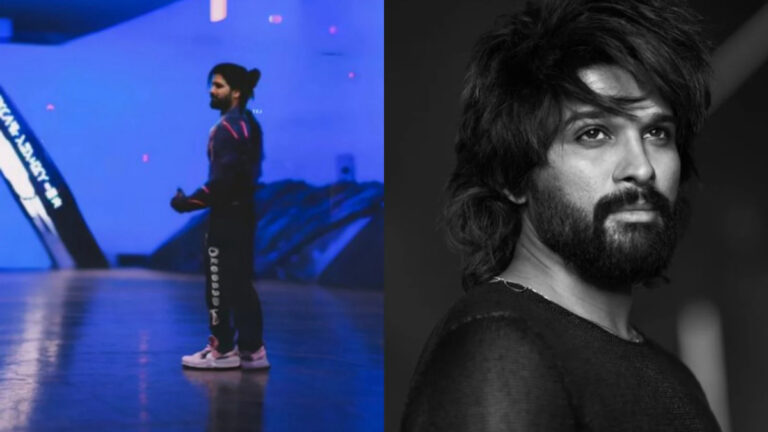
New Delhi, May 14, 2026: The Indian film industry is witnessing a significant shift in how intellectual property and stardom intersect. Following the global phenomenon of the “Pushpa” walk and the iconic beard-rubbing gesture, Allu Arjun is reportedly taking proactive steps to safeguard his upcoming creative output. For his next big project, Raaka, the makers are exploring legal avenues to protect the actor’s signature gestures, dance moves, and character mannerisms from unauthorized commercial use.

This move marks a pivotal moment for Tollywood and Indian cinema at large, as stars and production houses begin to treat “personality rights” with the same level of protection usually reserved for scripts and music.

The Success of Mannerisms: From Pushpa to Raaka

To understand why the makers of Raaka are pursuing this path, one must look at the unprecedented success of Pushpa: The Rise. The film’s “Srivalli” dance step—characterized by a dragging foot—and the thumb-under-the-chin gesture became more than just movie scenes; they became global cultural symbols. Everyone from international cricketers to social media influencers and brand advertisements adopted these movements.

While this viral success boosted the film’s popularity, it also highlighted a massive loophole in the industry: third-party brands and creators were profiting from Allu Arjun’s specific “style” without any licensing or permission. For Raaka, where the National Award-winning actor is rumored to be playing multiple roles with distinct physicalities, the production team wants to ensure that these “assets” stay under the film’s brand umbrella.

The Strategy Behind Protecting “Raaka”

Reports suggest that Allu Arjun and the film’s producers are looking to retain exclusive branding rights over the character’s styling, movements, and promotional identity. This strategy aims to curb several modern challenges:

  1. Unauthorized Advertisements: Many local brands often use a star’s famous gesture in their commercials to imply an endorsement without actually hiring the actor.
  2. AI-Generated Content: With the rise of deepfakes and AI, protecting an actor’s unique “way of moving” is becoming a digital necessity.
  3. Merchandising: By legally protecting these gestures, the production house can control official merchandise, ensuring quality and revenue remain within the legitimate creative circle.

According to sources close to the project, Allu Arjun is working on intricate, unique mannerisms for each of his roles in Raaka. Given his expanding global fanbase, the team views these gestures as unique intellectual properties rather than just spontaneous acting choices.

The Legal Shield: Personality Rights in India

This isn’t just a wishful marketing plan; it has a strong legal foundation. Allu Arjun recently joined an elite group of Indian legends, including Amitabh Bachchan and Anil Kapoor, who have approached the courts to protect their “personality rights.”

The Delhi High Court recently granted an order protecting Allu Arjun’s image, voice, and identity from unauthorized exploitation. This legal shield means that no one can use his likeness—or even a digital imitation of it—for commercial gain without his consent. Extending this protection to specific “gestures” in a movie like Raaka is the logical next step in protecting a performer’s craft.

Why This Matters for the Industry

The decision to protect the “Raaka gestures” could change how films are made and marketed in India. Traditionally, once a movie was released, its dialogues and steps were considered part of the public’s pop-culture vocabulary. However, in an era where “virality” is a currency, the creators of that content are demanding a share of the value.

1. Recognition of the “Performer as Creator” Usually, copyright resides with the producer or the writer. However, a gesture or a dance style is a “performer’s right.” This move acknowledges that an actor’s physical interpretation of a character is a form of creative work that deserves legal protection.

2. A New Revenue Model If a signature step becomes popular, brands may now have to officially collaborate with the film’s team to use it in their marketing. This creates a new stream of revenue for high-budget films.

3. Setting a Standard for Tollywood While Bollywood has seen similar legal battles, Tollywood (the Telugu film industry) is now leading the charge in the South. As Telugu films continue to dominate the national and international box office, protecting their “brand assets” is essential for long-term growth.

What to Expect from Raaka

While official confirmation from the production house regarding the specific legal filings for gestures is still awaited, the buzz around Raaka has reached fever pitch. The film is expected to be a high-octane spectacle, showcasing Allu Arjun’s versatility in ways never seen before.

The actor is known for his dedication to “method acting” when it comes to body language. From the stooped shoulder of Pushpa Raj to the stylish swagger of his earlier hits, his physical transformations are a major draw for audiences. In Raaka, the stakes are higher, and the creative team is leaving no stone unturned to ensure that the actor’s hard work remains his own.

Conclusion: The Future of Film Branding

As the lines between entertainment and intellectual property continue to blur, the move to protect gestures in Raaka is a glimpse into the future of the entertainment business. It is no longer just about the story on the screen; it is about every movement, sound, and style that makes a character iconic.

For fans, this likely won’t change the way they enjoy the film. You can still do the “Raaka” walk in your living room or on a fun Instagram reel. But for the corporate world, the message is clear: if you want to use the “Icon Star’s” signature style to sell a product, you’ll need to play by the legal rules.

As Raaka prepares for its grand unveiling, all eyes are not just on the trailer, but on how this legal experiment unfolds. It might just be the start of a new era where an actor’s “style” is as legally guarded as a high-tech patent.

GV Prakash Leads Grand “Bangaru Pallaki” Procession for Sabarimala Pilgrimage

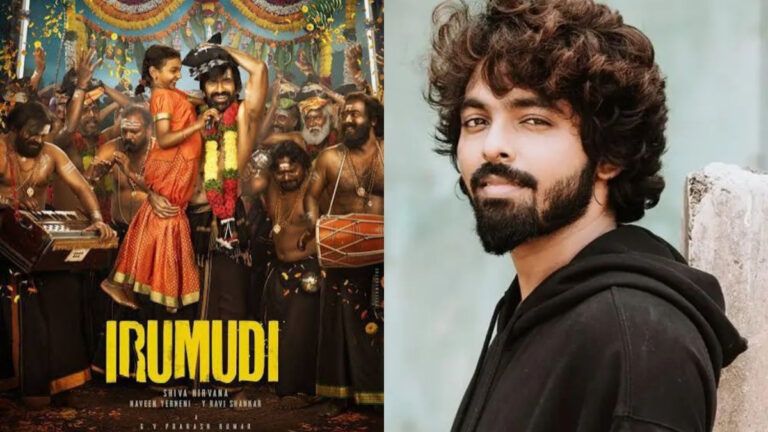
New Delhi, May 14, 2026 – In a blend of cinematic stardom and deep-rooted devotion, acclaimed music composer and actor GV Prakash Kumar has once again captured the public’s imagination—not for a chart-topping melody, but for a significant spiritual undertaking. Reports from the heart of the Tamil film industry confirm that the versatile artist is set to lead the prestigious Bangaru Pallaki (Golden Palanquin) procession during his upcoming Irumudi pilgrimage to the sacred shrine of Sabarimala.

As of May 2026, GV Prakash has transitioned from his busy recording studios to a period of rigorous spiritual discipline, preparing for a journey that resonates with millions of devotees across South India.

The Significance of the Irumudi and Bangaru Pallaki

To understand the weight of this news, one must look at the traditions of the Sabarimala pilgrimage. The Irumudi Kettu is the most essential part of a devotee’s journey; it is a twin-compartment bag carried on the head, containing offerings like coconuts filled with ghee, rice, and betel leaves.

The Bangaru Pallaki, or the Golden Palanquin, is an honor reserved for significant ceremonial processions. Bringing the Bangaru Pallaki to the Irumudi ceremony signifies:

  • Deep Reverence: A gesture of supreme gratitude toward Lord Ayyappa.
  • Community Leadership: Often, public figures leading such processions draw thousands of fellow devotees, fostering a sense of collective faith.
  • Preservation of Culture: For a youth icon like GV Prakash, participating in these ancient rituals bridges the gap between modern celebrity culture and traditional values.

GV Prakash’s Spiritual Evolution

While known for his edgy compositions and gritty acting roles, GV Prakash has never shied away from his spiritual side. In recent years, he has been seen participating in various temple festivals and local traditions. However, the 2026 pilgrimage marks a turning point in his public persona.

Sources close to the artist suggest that this year’s “Deeksha” (the period of penance) has been particularly intense. The composer has reportedly been following a strict vegetarian diet, wearing the traditional black attire, and maintaining a lifestyle of simplicity for the mandatory 41-day period.

“Music is my profession, but spirituality is my soul’s anchor,” GV Prakash reportedly shared with a close associate. “Leading the Bangaru Pallaki is not about status; it’s about complete surrender.”

Impact on the Industry and Fans

The news has sent ripples through the South Indian film industry. Several co-stars and fellow technicians have lauded his commitment to his roots. In an era where celebrities are often disconnected from local traditions, GV Prakash’s active participation is seen as an inspiring move for the younger generation.

What fans are saying:

  • Youth Engagement: Social media is abuzz with clips of the composer in his pilgrim attire. Young fans are seeing a different side of their “GVP,” one that values discipline and heritage.
  • Cultural Pride: Many see this as a positive reinforcement of Tamil and South Indian religious identity on a national stage.

Logistics of the Procession

The procession involving the Golden Palanquin is expected to be a grand affair. While the exact route remains private to manage the crowds, it is understood that:

  1. Special Poojas: The journey began with special prayers at a prominent temple in Chennai.
  2. The Trek: GV Prakash, along with a group of seasoned “Guruswamy” (spiritual guides), will navigate the traditional forest paths.
  3. The Offering: The Bangaru Pallaki will be a focal point of the ceremony before the final climb to the Pathinettam Padi (the 18 sacred steps).

Balancing Melodies and Mantras

Despite his spiritual hiatus, GV Prakash remains one of the busiest men in Indian cinema. Even as he prepares for the climb, several of his high-profile projects are in the post-production phase.

Project CategoryStatus (May 2026)
ActingPost-production on a major action thriller.
Music CompositionExpected release of a pan-Indian film soundtrack next month.
ProductionOverseeing an independent film project under his banner.

Industry experts believe that this spiritual break will only enhance his creative output. Historically, many artists have found renewed inspiration after periods of introspection and pilgrimage.

A Tradition for the Modern Era

As GV Prakash prepares to carry the Irumudi and lead the Golden Palanquin, he stands as a symbol of the modern Indian—someone who is globally competitive and technologically savvy, yet remains tethered to the spiritual soil of his ancestors.

The “Bangaru Pallaki” isn’t just a vehicle for a deity; this week, it serves as a vehicle for a message of faith, humility, and the timeless nature of devotion. As the chants of “Swamiye Saranam Ayyappa” echo through the hills, one of cinema’s brightest stars will be just another devotee, seeking peace amidst the divine.

The ‘Big Triangle’ Trend: Influencer’s First Dosa Goes Viral

0

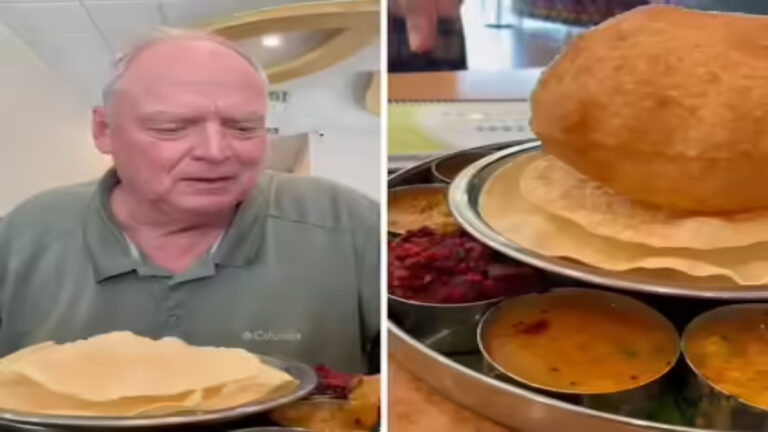
New Delhi, May 14, 2026: In the fast-paced world of social media, where food trends come and go with the swipe of a thumb, some moments capture the collective heart of the internet by being unexpectedly wholesome. Recently, a video featuring a New York-based influencer trying her very first South Indian meal went viral, not because of a sophisticated critique, but because of her charmingly innocent description of the iconic Masala Dosa: a “big triangle.”

What began as a simple food review has turned into a cross-cultural celebration, leaving netizens across the globe—and particularly in India—smiling at the sheer joy of culinary discovery.

The Moment That Sparked the Smile

The influencer at the center of this viral storm is Kiki (@kiki_explores), a popular content creator known for her lifestyle and travel snippets. During a visit to an authentic South Indian eatery, she was presented with a traditional Masala Dosa—a thin, crispy crepe made from fermented rice and lentil batter, expertly folded into a large, golden-brown triangle and stuffed with a savory potato filling.

In the video, Kiki stares at the plate with wide-eyed wonder. As the camera pans over the massive, crispy crepe, she exclaims with genuine excitement, “I’m trying this big triangle thing for the first time!”

For millions of Indians, for whom the Dosa is a staple comfort food, the description was both hilarious and deeply endearing. While most people would refer to it by its name, Kiki’s “big triangle” label stripped away the culinary jargon and focused on the visual marvel of the dish.

A Feast for the Senses: The Tasting

The video doesn’t just stop at the name. It captures the universal experience of trying South Indian food for the first time—the confusion followed by absolute delight. Guided by the staff (and likely some helpful comments from her followers), Kiki navigated the “side dishes”—the sambar (a tangy lentil stew) and the variety of chutneys (coconut, tomato, and mint).

As she tore off a piece of the “big triangle,” dipped it into the coconut chutney, and took her first bite, her expression shifted from curiosity to pure bliss. “Oh my god, it’s so crispy but soft inside… and this white sauce is incredible,” she said, referring to the coconut chutney.

By the time she reached the spicy potato masala hidden inside the fold, she was officially a convert. Her reaction resonated with viewers because it felt authentic. It wasn’t a rehearsed “foodie” review; it was the raw, unfiltered joy of someone discovering a new favorite flavor.

Why the Internet Is Obsessed

In an era where the internet can often be a place of heated debate, this video acted as a “digital palate cleanser.” Here are a few reasons why it struck such a chord:

  1. Innocence Over Ignorance: While the internet can sometimes be harsh on people who don’t know traditional names for cultural foods, the reaction here was the opposite. Netizens found her “big triangle” comment cute rather than offensive because it was coupled with a clear respect and love for the food.
  2. Cultural Pride: Indians are famously passionate about their cuisine. Seeing a foreigner appreciate the complexity and taste of a Dosa—especially when they realize it’s vegan and gluten-free by nature—brings a sense of collective pride.
  3. The “First Time” Relatability: We all remember the first time we tried something that changed our perspective on food. Watching Kiki experience that “Aha!” moment reminded viewers of their own first encounters with South Indian delicacies.

Social Media Reacts: “Wait Till She Sees the Big Circle!”

The comment sections under the video were a goldmine of humor and warmth. Thousands of Indian users flocked to her profile to “officially” welcome her to the Dosa-loving community.

  • “It’s not just a big triangle, it’s a piece of heaven!” one user commented.
  • Another joked, “Wait until she sees the ‘Big Circle’ (Idli) or the ‘Salty Donut’ (Meda Vada). Her mind is going to be blown!”
  • Many users also gave her “Pro Tips,” advising her to try the Ghee Roast or the Podi Dosa next time, and reminding her that eating with her hands is the only way to truly enjoy the experience.

The Global Rise of South Indian Cuisine

This viral moment is part of a larger trend where South Indian cuisine is finally getting the global recognition it deserves. For decades, “Indian food” in the West was largely synonymous with North Indian dishes like Butter Chicken and Naan. However, the light, fermented, and spice-rich profile of South Indian food is now taking center stage in cities like New York, London, and San Francisco.

Influencers like Kiki play a significant role in this cultural exchange. By documenting her “first time” experience, she introduces her diverse audience to a dish they might have previously found intimidating or unfamiliar.

Conclusion: More Than Just a Meal

Kiki’s “big triangle” saga is a reminder that food is the ultimate universal language. It doesn’t matter if you know the name, the history, or the exact recipe—good food transcends borders.

As the video continues to rack up millions of views, Kiki has promised her followers that this was just the beginning of her South Indian food journey. Whether she’s trying “white fluffy cakes” (Idlis) or “lentil soup” (Sambar) next, one thing is certain: the internet will be watching, smiling, and waiting to see what she calls them next.

So, the next time you sit down for a Masala Dosa, take a moment to look at it through Kiki’s eyes. It really is a magnificent “big triangle”—and it tastes even better than it looks.

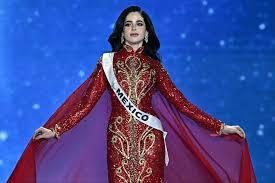
The Evolution of the Crown: New Rules Defining Miss Universe in 2026

New Delhi, May 14, 2026: The Miss Universe Organization (MUO) has undergone a radical transformation over the last few years. Once defined by strict, some might say “obsolete,” eligibility criteria, the pageant has pivoted toward a new era of inclusivity. As of May 2026, the stage looks vastly different than it did a decade ago.

If you still think the pageant is only for single women in their early 20s, you’re in for a surprise. Here is an updated look at the rules and shifts that have redefined the world’s most famous stage.

1. The Death of the Age Limit

Perhaps the most seismic shift in pageant history occurred when the Miss Universe Organization officially removed the upper age limit.

Historically, contestants had to be between the ages of 18 and 28. This created a “ticking clock” for many women in the industry. Starting in late 2023 and solidified through the 2024–2026 seasons, any woman over the age of 18 is now eligible to compete.

  • The Impact: We are now seeing women in their 30s, 40s, and even 60s competing in national preliminaries. This change acknowledges that “universe-level” leadership and beauty aren’t restricted to a specific decade of life.

2. Marital and Parental Status: Barriers Broken

For over 70 years, the title “Miss” Universe was literal. Contestants were required to be “unmarried” and “not pregnant.” In 2023, the organization moved to allow:

  • Married women
  • Divorced women
  • Pregnant women
  • Mothers

The logic behind this was simple: a woman’s professional capacity to serve as a global ambassador is not diminished by her personal life or her choice to start a family. In 2026, seeing a mother of two walk the stage in an evening gown is no longer a “gimmick”—it’s the new standard of modern womanhood.

3. Inclusion of Transgender Contestants

While Miss Universe has allowed transgender contestants since 2012 (following the Angela Ponce landmark moment), the organization’s commitment has deepened under its recent leadership. The rules explicitly state that any woman—regardless of the gender assigned at birth—is eligible to compete, provided she wins her national title. This move reflects a broader global shift toward recognizing gender identity as a fundamental aspect of self-identification.

4. The Selection Process: More Than a Pretty Face

The judging criteria in 2026 have moved further away from “physical perfection” and more toward “transformational leadership.” While the swimsuit and evening gown segments remain for the sake of tradition and stage presence, the weight of the “Selection Committee Interview” has never been higher.

How Contestants are Scored Now:

CategoryFocus Area
Personal InterviewCommunication skills, social impact, and “Voice for Change.”
Evening GownConfidence, poise, and personal style.
Swimsuit/AthleisurePhysical health, discipline, and stage presence.
Social Impact (Voice for Change)The depth and viability of their chosen advocacy project.

5. The “Voice for Change” Platform

One of the most significant “unwritten” rules that has become formalized is the requirement for a robust Advocacy Project. Contestants are no longer expected to just “want world peace.” They must arrive with a track record of service.

Through the Voice for Change video competition, delegates showcase specific solutions to global issues—ranging from climate change and mental health to digital literacy and economic empowerment. In 2026, the winner is expected to function more like a UN Ambassador than a traditional “beauty queen.”

6. Citizenship and Representation

To ensure the pageant truly represents the “Universe,” the rules regarding residency have been clarified. A contestant must generally be a citizen of the country she represents. However, there are nuances for women who have lived in a country for a significant period or have dual citizenship, allowing for a more diverse representation of the global diaspora.

Why the Rules Changed

The modernization of Miss Universe was born out of necessity. In a world where women are leading Fortune 500 companies and heading nations, the idea that they couldn’t wear a crown because they had a child or celebrated a 30th birthday was becoming increasingly difficult to defend.

Under the ownership of JKN Global Group and subsequent strategic partnerships, the pageant has rebranded itself as a platform for empowerment. The goal is to find a woman who can handle a 24-hour global news cycle, speak at international summits, and inspire a diverse demographic of fans.

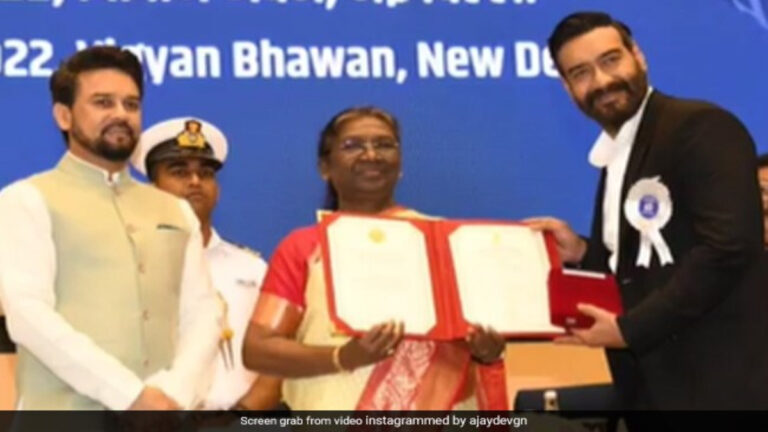
Ajay Devgn’ Bath-Time Pitch: The Story Behind His First National Award

New Delhi, May 14, 2026: In the glitzy, often over-the-top world of Bollywood, movie deals are usually struck in plush vanity vans, high-end restaurants, or corporate boardrooms. But for Ajay Devgn, his first National Award-winning role started in a much humbler—and wetter—setting: his bathroom.

Decades after the release of the cult classic Zakhm (1998), the story of how director Mahesh Bhatt pitched the film to Devgn remains one of the most legendary “behind-the-scenes” anecdotes in Indian cinema. It wasn’t a formal meeting with a script bound in leather; it was a desperate, passionate plea delivered while the actor was literally mid-shower.

A Knock at the Door (and the Shower Curtain)

The year was 1997. Ajay Devgn was already a established action star, known for his brooding intensity and gravity-defying stunts. Mahesh Bhatt, on the other hand, was looking to tell his most personal story yet—a semi-autobiographical tale about his mother, religious identity, and the communal tensions of the 1993 Mumbai riots.

Recalling the incident in recent interviews, Devgn shared the hilarious yet pivotal moment.

“I was in the shower when I heard a loud banging on my door. I yelled out that I was bathing, but Bhatt Sahab being Bhatt Sahab, he didn’t care. He walked right into the bathroom and started narrating the idea for Zakhm through the steam.”

Bhatt didn’t wait for Devgn to dry off or put on a bathrobe. He knew he had found his lead actor, and he wasn’t going to let a little thing like hygiene get in the way of a masterpiece.

Why ‘Zakhm’ Was a Gamble

At the time, Devgn was the “Action King.” Shifting to a deeply emotional, socio-political drama was a significant risk. Zakhm dealt with sensitive themes:

  • Identity: A son discovering his mother’s secret religious identity.
  • Communal Harmony: Set against the backdrop of the bloody 1993 riots.
  • Personal Grief: Based on Mahesh Bhatt’s own life and his relationship with his mother, Shirin Mohammed Ali.

Bhatt reportedly told Devgn, “I don’t want the action star; I want the man I see in your eyes.” By the time Devgn stepped out of the shower and dried himself off, he was sold. He didn’t need to read a formal script; the raw emotion in Bhatt’s “shower pitch” was enough.

The Performance of a Lifetime

When Zakhm finally hit screens in 1998, it stunned critics. Ajay Devgn delivered a performance that was the polar opposite of his “stuntman” persona. As Ajay R. Desai, a man struggling to bury his mother according to her secret wishes amidst a city on fire, Devgn used his eyes to convey a lifetime of pain, conflict, and quiet resilience.

The film was a massive critical success, eventually earning:

  1. The Nargis Dutt Award for Best Feature Film on National Integration.
  2. The National Film Award for Best Actor for Ajay Devgn.

This was Devgn’s first National Award, a milestone that silenced skeptics and proved he was one of the finest actors of his generation. He would later go on to win two more (for The Legend of Bhagat Singh and Tanhaji), but he often maintains that the first one, born from that bathroom encounter, remains the most special.

The Mahesh Bhatt Method: Raw and Unfiltered

Mahesh Bhatt has always been known as a “maverick” filmmaker. His approach to Zakhm was visceral because the story was his own truth. This wasn’t just a movie; it was his catharsis.

Industry insiders suggest that Bhatt chose the bathroom pitch because he wanted to catch Devgn in his most “unguarded” state. In a world of PR and filtered conversations, the bathroom is perhaps the only place where a person is truly themselves. Bhatt wanted that raw, unfiltered human being for his film.

Film DetailInformation
DirectorMahesh Bhatt
Lead ActorAjay Devgn
Release Year1998
Key ThemeCommunal Harmony & Personal Identity
Major WinNational Film Award for Best Actor

Legacy of the “Mid-Shower Pitch”

Today, Zakhm is regarded as a landmark in Indian parallel cinema. It bridged the gap between commercial appeal and artistic depth. For Ajay Devgn, it was the turning point that allowed him to transition from a “star” to an “actor.”

The story serves as a reminder of a bygone era of Bollywood—an era where passion trumped protocol. Nowadays, getting an actor of Devgn’s stature for a film involves months of “talent management” emails, legal contracts, and scheduled Zoom calls.

But as the story of Zakhm proves, sometimes all you need to create a masterpiece is a powerful story, a persistent director, and an actor who doesn’t mind a little company while they’re taking a bath.

The Impact on Modern Cinema

Even in 2026, the resonance of Zakhm is felt. In an age where communal narratives are often polarized, Bhatt’s film remains a gold standard for nuanced storytelling. Devgn’s career trajectory, which now spans over three decades, owes a debt of gratitude to that one morning in the 90s.

It reminds us that the best collaborations aren’t always planned; they are felt. And sometimes, the most prestigious awards in the country start with a simple knock on a bathroom door.

Rakhi Sawant Overjoyed as Divyanka and Vivek Prepare for Parenthood

New Delhi, May 14, 2026: The television industry and fans across the globe are buzzing with joy as one of the small screen’s most beloved couples, Divyanka Tripathi and Vivek Dahiya, prepare to step into the most beautiful phase of their lives: parenthood. Adding to the celebratory atmosphere is the industry’s ultimate “Drama Queen” with a heart of gold, Rakhi Sawant, who recently expressed her unbridled excitement for the couple.

Rakhi Sawant’s Heartfelt Congratulations

In a heartwarming moment that has since gone viral on social media, Rakhi Sawant was spotted in Mumbai where she crossed paths with the dad-to-be, Vivek Dahiya. Known for her unfiltered and spontaneous personality, Rakhi didn’t hold back her happiness.

As soon as she saw Vivek, Rakhi beamed with joy and offered her warmest wishes.

“Congratulations! I’m so happy! Wish Divyanka also from my side. I’m very happy for you two,” she exclaimed.

Vivek, ever the gentleman, was seen smiling broadly, visibly touched by the gesture as he thanked Rakhi for the kind words. The encounter, captured by paparazzi, quickly set the internet abloom with positive comments, with fans appreciating the genuine camaraderie between the stars.

A “Plot Twist” a Decade in the Making

The news of Divyanka’s pregnancy first broke on March 19, 2026, when the couple took to Instagram to share a stunning maternity photoshoot. Having been married since 2016, the announcement came as a delightful surprise to their millions of followers.

In a poetic caption that resonated with many, Divyanka described the pregnancy as a “plot twist after 10 years.” She wrote:

“Some journeys are not about rushing… they’re about becoming ready together. And just when you think your story is complete, life adds the most beautiful chapter. Still soaking it in… still smiling for no reason. With our hearts full of gratitude, we are expecting.”

The photoshoot featured the couple in coordinated white outfits, exuding a sense of peace and preparedness. One particularly moving image showed Vivek holding a pair of tiny baby shoes, while another captured him gently cradling Divyanka’s baby bump—a symbol of the “Love Upgraded” journey they have embarked upon.

Keeping the Secret: Why They Waited

While fans were quick to celebrate, many wondered how the couple managed to keep such big news under wraps for so long. In a recent interview, Divyanka revealed that she is already quite far along, with the baby expected to arrive in mid-June 2026.

She admitted that she managed to hide the news for a full six months by staying mostly indoors and avoiding public events. The secret only began to slip when Vivek attended an event solo, and friends began questioning why the “Ishita Bhalla” of Indian TV hadn’t been seen in public for months.

Divyanka shared that the timing was entirely intentional.

  • Ready, Not Rushed: The couple wanted to ensure they were mentally and emotionally prepared for the responsibility.
  • Natural Journey: Despite some rumors regarding medical assistance, sources close to the couple confirmed that the pregnancy was a natural and joyous milestone for the 41-year-old actress.
  • Family First: The couple first shared the news with their parents, who are reportedly “ecstatic” and have already begun a “guess game” regarding the baby’s gender.

Reflections on Strength and Parenting

As she prepares for motherhood, Divyanka has been sharing more of her personal philosophy through her YouTube vlogs. She recently reflected on her childhood, creditng her parents for her legendary mental and emotional strength—traits she likely hopes to pass on to her child.

She recalled how her father taught her first aid at a very young age, encouraging her to be independent.

“Whenever I got hurt, my parents didn’t make it look like a big issue… They made me independent so that I can do anything easily and I won’t cry,” she shared.

This “tough-love” parenting style has shaped Divyanka into the “Iron Woman” her peers often call her. Whether it was performing stunts on Khatron Ke Khiladi or navigating the pressures of the entertainment industry, her resilience has always been her trademark.

What’s Next for #DiVek?

With the delivery date set for mid-June in Mumbai, the Dahiya and Tripathi households are in full preparation mode. Baby shopping is reportedly in full swing, and a baby shower is expected to take place soon, bringing together the crème de la crème of the television industry.

On the professional front, Divyanka has been away from daily soaps for some time, focusing instead on reality shows, web projects, and her digital presence. This break seems to have provided the perfect window for her to focus on her health and this new chapter of life.

The Impact on Fans

The outpouring of love from celebrities like Rakhi Sawant and thousands of fans highlights the deep connection Divyanka and Vivek have built over the years. From their meeting on the sets of Yeh Hai Mohabbatein to their fairy-tale wedding and now this milestone, their journey remains a testament to the idea that some of the best things in life are worth the wait.

As Rakhi Sawant perfectly put it, the industry is “so happy” for them. For now, the countdown to mid-June begins, and the world waits to welcome the newest member of the #DiVek family.